
Collision Repair Estimate and Insurance Terms Explained
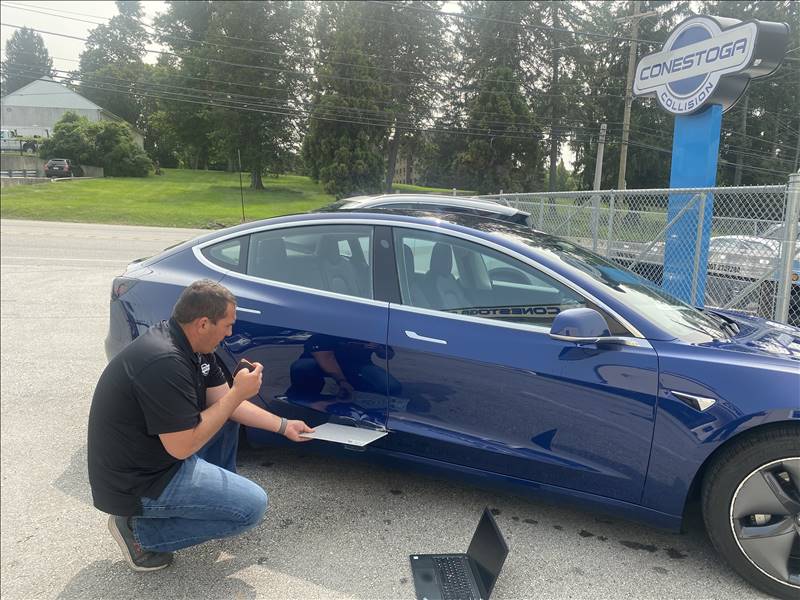
If you have never filed an auto insurance claim or had collision repairs completed, the process can come with a lot of unfamiliar terminology.
What is a supplement? Why did the repair estimate change? What does it mean when a shop is waiting for insurance approval? And who decides whether a damaged part should be repaired or replaced?
Understanding a few common collision repair and insurance terms can make the process much easier to follow. Here is what you may encounter from the initial estimate through the final repair.
What Is a Collision Repair Estimate?
A collision repair estimate is an initial assessment of the work that may be needed to repair your vehicle.
The estimate may include:
- Replacement parts
- Repairs to damaged parts
- Body labor
- Paint and refinishing
- Materials
- Mechanical work related to the collision
- Scanning or calibration
- Other necessary repair operations
An estimate is an important starting point, but it may not be the final cost of repairing the vehicle.
Some collision damage simply cannot be seen until damaged exterior parts are removed.
What Is an Insurance Estimate?
If you file a claim, your insurance company may also prepare an estimate of the damage.
Depending on the insurer and claim, an adjuster may inspect the vehicle in person. In other situations, the initial estimate may be prepared using photos, videos, or information submitted electronically.
The insurance estimate identifies the repairs the insurer initially determines are related to the covered loss and the amount it expects those repairs to cost.
This estimate may not be identical to the repair plan ultimately developed by the collision repair shop.
That does not automatically mean something is wrong. The two estimates may have been prepared at different points in the process or with different information available.
What Does “Teardown” or “Disassembly” Mean?
During an initial inspection, the shop can only evaluate the damage it can see.
Once repairs begin, technicians may need to remove damaged bumpers, trim, body panels, lights, or other components. You may hear this called a teardown or disassembly.
This gives technicians a better look at the areas behind the visible damage.
For example, a damaged bumper cover might hide damage to components underneath it. That additional damage may not have been visible when the original estimate was written.
This is one reason an initial estimate can change.
What Is Hidden Damage?
Hidden damage is damage that was not visible during the initial inspection.
It is common for collision damage to extend beyond what you can see from the outside of the vehicle. Once the shop begins disassembly, technicians may identify additional damaged parts or repair operations that are needed.
When this happens during an insurance repair, the shop may need to document the additional damage and submit it to the insurance company.
That brings us to another term you may hear: a supplement.
What Is a Supplement in Collision Repair?
A supplement is an addition or change to the original repair estimate.
Supplements are often needed when the repair shop discovers collision-related damage or necessary repair operations that were not included in the initial estimate.
For example, the process may look something like this:
- An initial estimate is prepared.
- The vehicle arrives at the collision repair shop.
- Technicians disassemble the damaged area.
- Additional damage is discovered.
- The shop documents the damage and updates the repair plan.
- Additional information is submitted to the insurance company for review.
- The estimate is updated as appropriate, and repairs continue.
A supplement does not necessarily mean the original estimate was incorrect. Some damage cannot reasonably be identified until the vehicle is taken apart.
Why Is My Collision Repair Shop Waiting for Insurance Approval?
During an insurance claim, there may be points when the collision center needs to communicate with the insurance company before proceeding with certain work.
For example, if additional damage is discovered, the insurer may need supporting documentation before agreeing to pay for the additional repairs.
This can include photographs, measurements, invoices, repair procedures, or an updated estimate.
Depending on the circumstances, the insurance company may also want an adjuster to inspect the newly discovered damage.
This review process can affect the overall repair timeline.
What Is a Deductible?
Your deductible is the amount you are responsible for paying toward a covered claim before or as part of the insurer’s payment, according to your policy.
For example, if your policy has a $500 collision deductible, you would generally be responsible for $500 of covered repair costs, while the insurer would pay the covered amount beyond the deductible, subject to the terms of your policy.
The collision repair shop does not determine your deductible. It is established by your insurance policy.
If you are unsure what your deductible is, check your policy or contact your insurance company.
What Do OEM, Aftermarket, and Recycled Parts Mean?
Your estimate may also specify the type of replacement parts included in the repair.
OEM parts are original equipment manufacturer parts. They are produced by or for the vehicle manufacturer.
Aftermarket parts are replacement parts made by a company other than the vehicle’s original manufacturer.
Recycled parts are previously used original parts taken from another vehicle and reused.
You may also encounter terms such as alternative parts or LKQ (Like Kind and Quality) on estimates or in insurance discussions.
The parts used for a particular repair can depend on several factors, including availability, manufacturer repair requirements, the vehicle, the insurance policy, and applicable laws.
If you are unsure which parts are included in your estimate, ask the repair shop to walk you through the parts listed.
What Does R&I Mean on an Estimate?
Collision estimates often contain abbreviations that aren’t obvious to vehicle owners.
R&I means remove and install. A technician removes an existing part and then reinstalls that same part.
For example, a piece of trim may need to be removed so the panel behind it can be repaired and refinished. If the trim itself isn’t damaged, it may simply be reinstalled afterward.
You may also see R&R, meaning remove and replace. In this case, the existing component is removed and a different replacement component is installed.
What Are Labor Hours?
An estimate may list a certain number of labor hours for individual repair operations.
These hours generally represent the estimated labor time associated with performing those operations. They should not be interpreted as an exact prediction of how many clock hours your car will be at the shop.
A repair that includes 20 labor hours, for example, does not necessarily mean the vehicle will be finished 20 hours after work begins.
The overall timeline can also depend on parts availability, insurance communication, paint and curing processes, outside services, calibrations, inspections, and the sequence in which repairs must be completed.
What Is a Total Loss?
In some cases, an insurance company may determine that a vehicle is a total loss rather than authorize repairs.
A total loss does not necessarily mean the vehicle is physically impossible to repair.
Insurance companies generally consider the vehicle’s value, estimated repair costs and other applicable costs, along with state requirements and the terms of the policy, when determining whether a vehicle should be declared a total loss.
If this happens, you may also hear the term actual cash value, or ACV.
What Is Actual Cash Value (ACV)?
Actual cash value is the value the insurance company assigns to the vehicle immediately before the covered loss.
Factors used in a valuation can include the vehicle’s:
- Year, make, and model
- Mileage
- Condition
- Features and options
- Comparable vehicles in the market
If your vehicle is declared a total loss, the insurer may use its calculated ACV when determining the settlement, subject to your policy and applicable state requirements.
If you have questions about how the value was calculated, ask the insurance company for an explanation of its valuation.
What Is Betterment on an Auto Insurance Claim?
Betterment is an adjustment that may be made when a repair replaces a worn or used component with a new one, leaving that particular part of the vehicle in better condition than it was before the accident.
Tires are a common example. Suppose an accident damages a tire that was already partially worn. If the damaged tire must be replaced with a new one, the insurance company may determine that the new tire adds value beyond the condition of the tire before the accident. Depending on the policy and applicable rules, the vehicle owner may be responsible for a portion of that cost.
Betterment does not apply to every repair or claim. If you see a betterment charge on your estimate or claim paperwork, ask your insurance company what it applies to and how the amount was calculated.
Who Should I Ask When I Don’t Understand My Estimate?
Collision estimates can be long and detailed. You are not expected to know what every abbreviation, operation, or insurance term means.
Ask questions.
Your collision repair shop can help explain the repair plan, including what is being repaired or replaced and why certain procedures are necessary. Questions about coverage, deductibles, claim payments, or other policy terms are generally best directed to your insurance company.
The more you understand about the process, the easier it is to follow your repair from the initial estimate through completion.
Have Questions About Your Collision Repair Estimate?
If you’ve been in an accident, don’t be afraid to ask for clarification about your repair. A collision estimate contains much more than a final dollar amount. It helps document the parts, labor, procedures, and other work involved in restoring your vehicle.
At Conestoga Collision, we’re happy to walk you through your repair plan and answer questions about the work being performed on your vehicle. Contact us to schedule an estimate or learn more about the collision repair process.