
How Pennsylvania Road Salt Can Damage Your Car’s Paint and Body
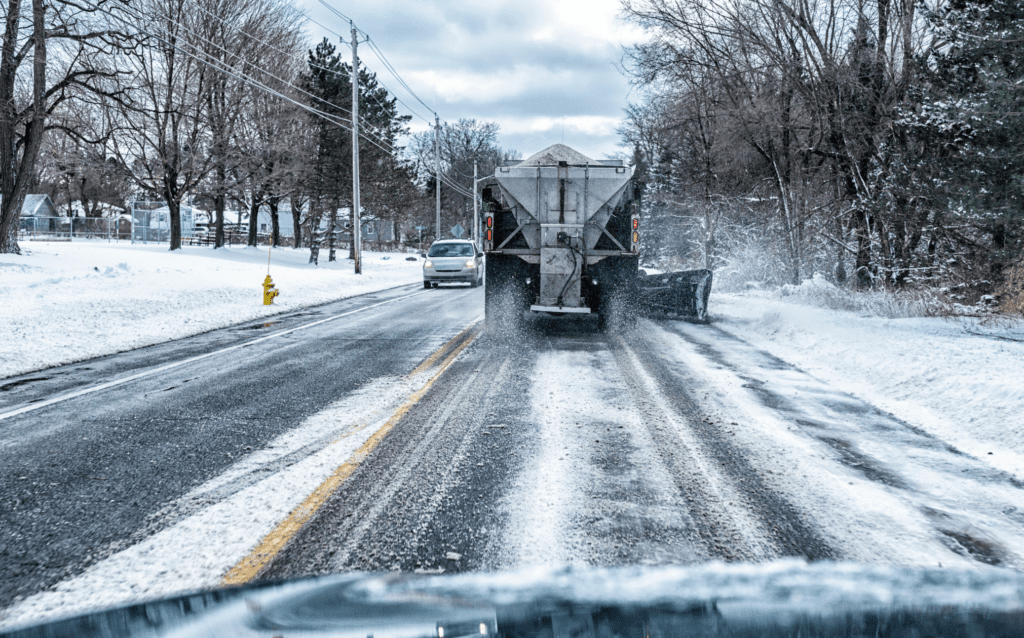
Pennsylvania winters are no joke. Between heavy snowfall, freezing temperatures, and icy roads, PennDOT relies heavily on road salt to keep drivers safe. While salt helps prevent accidents, it can quietly cause serious damage to your vehicle’s paint, body, and undercarriage—especially if it isn’t addressed early.
Many drivers don’t realize how aggressive road salt is or how quickly it can lead to rust, corrosion, and costly auto body repairs. If you drive in Pennsylvania during winter, understanding how road salt affects your car can help you protect your investment and avoid long-term damage.
Why Pennsylvania Uses So Much Road Salt
Pennsylvania experiences frequent snowstorms, freeze-thaw cycles, and fluctuating winter temperatures. Road salt—primarily sodium chloride—is effective at melting ice by lowering the freezing point of water. It’s affordable, easy to apply, and works well in most winter conditions.
However, the same chemical reaction that melts ice also accelerates corrosion when salt comes into contact with metal. Once salt mixes with moisture and oxygen, it creates the perfect environment for rust to form on your vehicle.
How Road Salt Damages Your Car’s Paint
Your car’s paint is its first line of defense against corrosion. When paint is intact, it helps seal out moisture and contaminants. But winter driving makes paint damage far more likely.
Paint Chips and Scratches Expose Bare Metal
In winter, sand, gravel, and salt are often spread together on Pennsylvania roads. These abrasive materials can:
- Chip paint on your hood, bumper, and fenders
- Scratch door panels and lower rocker panels
- Damage clear coat protection
Once paint is chipped or cracked, bare metal is exposed. Road salt can then settle into these areas, allowing rust to begin forming almost immediately.
Salt Residue Breaks Down Clear Coat
Even if your paint looks fine, salt residue can still cause harm. Salt sticks to your vehicle and absorbs moisture from the air, remaining active long after roads dry. Over time, this can degrade your clear coat, leading to dull paint, discoloration, and premature aging.
Rust: The Biggest Threat to Your Vehicle’s Body
Rust is one of the most common post-winter auto body problems in Pennsylvania. It often starts small but can spread rapidly if ignored.
Where Rust Commonly Forms
Road salt tends to collect in areas that are hard to see or clean, including:
- Wheel wells
- Door bottoms and seams
- Rocker panels
- Under the trunk lip
- Around windshield and window edges
- Undercarriage and frame components
Because these areas trap moisture, rust can grow undetected until visible bubbling or flaking appears on the exterior.
Why Rust Spreads So Quickly
Rust doesn’t stay in one place. Once corrosion starts, it spreads beneath the paint and into surrounding metal. What looks like a small surface issue can quickly become structural damage requiring extensive auto body repair or panel replacement.
Undercarriage Damage from Pennsylvania Road Salt
While paint damage is noticeable, undercarriage corrosion is often more dangerous.
Components at Risk Under Your Vehicle
Road salt can corrode critical parts, including:
- Frame rails
- Suspension components
- Brake lines
- Fuel lines
- Exhaust systems
Severe corrosion can compromise safety, lead to failed inspections, and result in expensive mechanical and collision repairs.
Why Undercarriage Damage Is Often Overlooked
Most drivers don’t see the underside of their vehicle regularly. Unfortunately, by the time corrosion is noticeable, the damage may already be advanced. That’s why post-winter inspections are especially important for Pennsylvania drivers.
How Winter Driving Makes Damage Worse
Pennsylvania winters don’t just bring salt—they create conditions that amplify its effects.
Freeze-Thaw Cycles Accelerate Corrosion
When temperatures rise above freezing during the day and drop overnight, moisture repeatedly expands and contracts inside cracks and seams. This process:
- Worsens paint damage
- Forces salt deeper into metal seams
- Accelerates rust formation
Slush and Snowbanks Trap Salt
Driving through slush coats your vehicle in salty water. Parking next to snowbanks or in unplowed areas allows salt to remain in contact with your car for extended periods, increasing corrosion risk.
Signs Road Salt Damage Is Affecting Your Vehicle
Catching salt damage early can save you money and prevent major repairs. Watch for these warning signs:
- Bubbling or peeling paint
- Rust spots around wheel wells or door edges
- Discoloration or dull paint
- Crunching sounds when opening doors
- Visible rust underneath the vehicle
- Uneven body panels or weakened metal
If you notice any of these issues, it’s best to have your vehicle inspected by a professional auto body shop.
Can Road Salt Damage Be Repaired?
Yes—but timing matters.
Early Repairs Are Simpler and More Affordable
When caught early, road salt damage may only require:
- Paint touch-ups
- Rust spot treatment
- Clear coat restoration
- Minor panel refinishing
These preventative repairs help stop corrosion before it spreads.
Advanced Rust Requires More Extensive Repair
If rust has penetrated deep into the metal, repairs may involve:
- Grinding and rust removal
- Panel replacement
- Welding
- Structural reinforcement
- Full repainting
The longer rust is left untreated, the more complex and expensive repairs become.
How to Protect Your Car from Road Salt Damage
While you can’t avoid Pennsylvania road salt entirely, there are steps you can take to reduce damage.
Wash Your Car Regularly in Winter
Frequent washes—especially undercarriage washes—help remove salt buildup. Even during cold months, many car washes offer heated water systems designed for winter use.
Address Paint Chips Promptly
Small paint chips may seem minor, but they’re prime entry points for salt. Touch-up paint or professional refinishing can prevent rust from starting.
Schedule a Post-Winter Inspection
After winter ends, having your vehicle inspected by an auto body professional can uncover hidden damage before it worsens. Spring is one of the busiest seasons for collision and rust repair shops in Pennsylvania for this reason.
Why Pennsylvania Drivers Shouldn’t Ignore Road Salt Damage
Road salt damage isn’t just cosmetic. Over time, it can:
- Reduce your vehicle’s resale value
- Compromise structural integrity
- Cause safety issues
- Lead to failed inspections
- Result in costly collision and body repairs
Proactive care and timely auto body repairs can extend the life of your vehicle and protect your investment.
Trust an Expert Auto Body Shop for Winter Damage Repair
Addressing road salt damage early not only saves money—it helps ensure your car stays reliable, safe, and looking its best long after winter ends.
If your vehicle has been exposed to Pennsylvania’s harsh winter conditions, Conestoga Collision can help assess and repair salt-related damage. Experienced technicians know where to look for corrosion, how to properly treat rust, and how to restore your vehicle’s appearance and safety. Contact us today!